
Manual Wheelchairs, Tri-Wheels and the True Cost of Independence by Fiona (Fee) Stevenson - Disability Advocate and Speaker
Disability speaker Fiona Stevenson examines the true cost of independence, the devastating impact of damaged mobility equipment, and why venues must design for the aids people already use.
Mobility equipment is not simply about getting from A to B. It is about independence, dignity, safety and freedom of choice.
When discussing wheelchair accessibility, attention often focuses on ramps, lifts, doorways and accessible toilets.
But how much consideration is given to the equipment itself, particularly manual wheelchairs and tri-wheel attachments?
And do people really understand the financial, physical and emotional consequences when that equipment is damaged?
Not All Wheelchairs Are the Same
Manual wheelchairs come in many designs, from standard folding chairs to lightweight, individually configured models.
Some are specifically adjusted to support posture, protect the spine, reduce pressure and minimise pain.
A powered wheelchair is not automatically a better alternative. Different equipment suits different individuals, depending on their physical needs, abilities, lifestyle and environment.
The assumption that everyone using a manual wheelchair should consider a powered alternative overlooks an essential principle:
The individual knows their needs, and their choice of mobility equipment deserves respect.
What Is a Tri-Wheel?
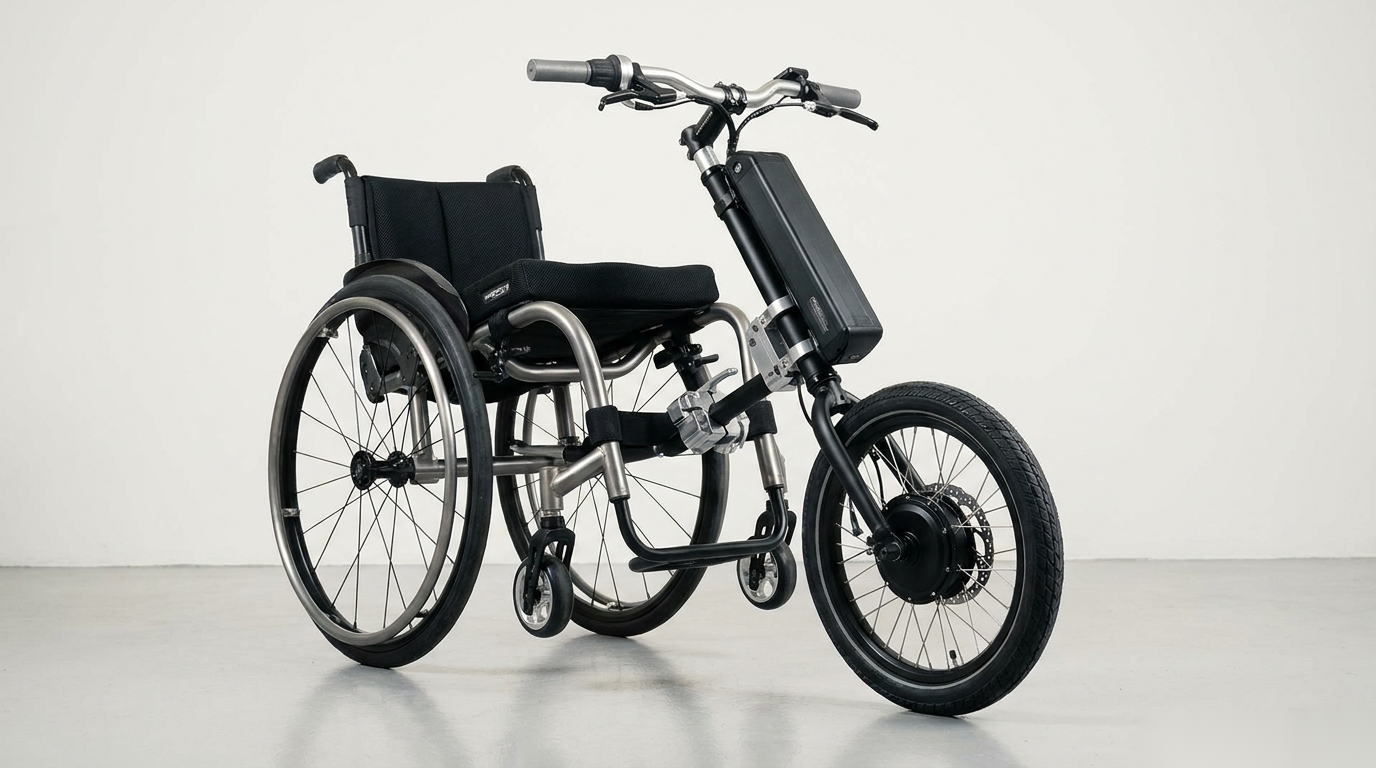
A tri-wheel is an attachment fitted to the front of certain manual wheelchairs.
Non-powered versions lift the wheelchair's small front castors, making some uneven surfaces easier to negotiate.
Powered versions use an electric motor and rechargeable battery, usually controlled through handlebars. The battery is charged using an appropriate mains-powered charger.
These attachments can help some wheelchair users travel longer distances, reduce the physical effort of propulsion and negotiate certain outdoor environments.
However, they are not suitable for everyone.
The Financial Reality
A powered tri-wheel can cost several thousand pounds, depending on its design and specifications.
This is additional to the cost of the manual wheelchair.
For some people, purchasing mobility equipment involves years of saving, charitable funding or difficult financial decisions.
Other considerations include:
- The weight and size of the attachment.
- Whether the user can independently attach or remove it.
- Compatibility with the wheelchair.
- Battery charging and maintenance.
- Storage and transportation.
- Insurance, servicing and repair costs.
An attachment may improve independence in one situation while creating additional practical difficulties in another.
Not everyone can afford, physically manage or safely use this equipment.
What Happens When a Tri-Wheel Is Damaged?
Consider the consequences of an expensive mobility attachment being damaged through careless handling, a collision or inappropriate storage.
For someone who relies upon it, the impact can be enormous.
Repairing specialist equipment may be costly and time-consuming. Replacement parts might not be immediately available, and suitable temporary alternatives can be difficult to obtain.
During that time, the individual may experience reduced independence, increased physical strain, cancelled appointments, restricted social activities and difficulty accessing employment or education.
There is also the emotional impact of losing confidence in the safety of essential equipment.
“Damage that takes seconds to cause can affect someone’s life for weeks or months. And who is responsible for the repair bill when equipment is damaged by another person or organisation?”
That question should never be dismissed.
Size, Weight and Accessibility
Powered tri-wheels can be large and heavy, adding considerable weight and length to a manual wheelchair.
This creates additional considerations for hotels, conference centres, public transport and other venues:
- Can the wheelchair and attachment safely negotiate the available ramps?
- Is there sufficient turning space?
- Can the equipment be transported and stored securely?
- Do staff understand how to assist without touching, disconnecting or damaging it?
Accessibility planning must recognise that wheelchair users have different equipment requirements.
A space that accommodates one wheelchair may not accommodate another.
The Problem With Assumptions
When someone using a manual wheelchair encounters an inaccessible environment, suggesting that they purchase a powered wheelchair or tri-wheel is not necessarily a solution.
It can shift responsibility away from those providing the environment and onto the disabled individual.
“Why should someone be expected to spend thousands of pounds on additional equipment simply to overcome barriers that could have been prevented through inclusive design?”
Equally, nobody should assume that a powered wheelchair or attachment is suitable for every individual.
Accessibility should not depend on someone's ability to purchase increasingly expensive mobility equipment.
Respect the Equipment and the Person
Disability awareness should include understanding that mobility equipment is often highly specialised, expensive and essential to everyday life.
Respecting Mobility Equipment: 4 Essential Principles
- Never touch without permission: Never grab, push, lift, disconnect or move someone's wheelchair or attachment without their consent.
- It is personal space: Individually configured chairs protect posture and the spine—an accidental nudge or grab can cause genuine physical pain.
- Equipment cannot be easily replaced: Custom parts can take weeks or months to source, leaving the user stranded without independent mobility.
- Never assume: Never presume that a powered chair or attachment is a better choice for someone than the manual equipment they know, trust, and rely on.
Conclusion: Inclusion Starts With Understanding
True accessibility means recognising individual requirements, respecting personal choice and designing environments that accommodate different mobility needs.
It means understanding that equipment is not interchangeable and that one person's solution may be another person's barrier.
Most importantly, it means recognising that independence should not depend on financial circumstances.
A manual wheelchair is not an inferior choice.
A tri-wheel is not an affordable option for everyone.
And damaging mobility equipment can mean damaging someone's independence.
The question should never simply be, “Why don't they use something different?”
It should be:
“What can we do to make our environments accessible to the equipment people already use?”
Because inclusion should be built into our environments, not purchased at the expense of the people who need it.
Further Reading from Fee Stevenson: Discover her widely read feature, “Am I Included or Merely Invited? Why accessibility must be more than a promise at conferences and events” .
About the Author
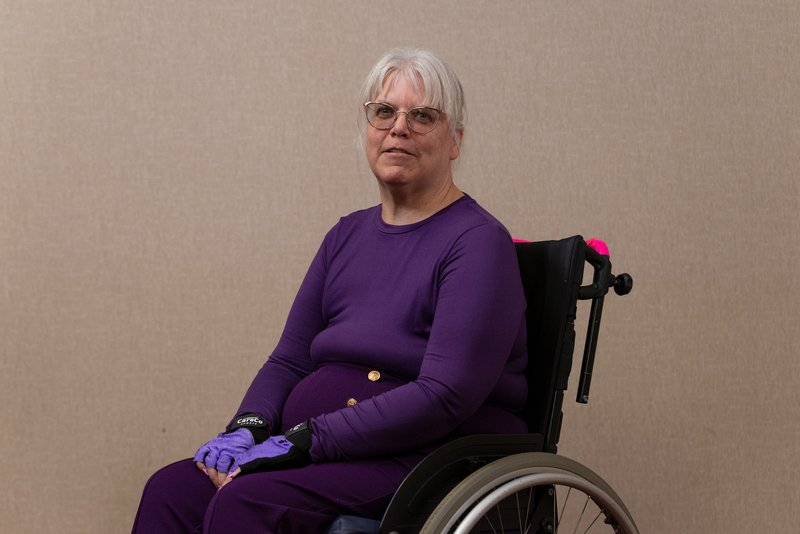
Fiona (Fee) Stevenson — Disability Advocate and Speaker
Fee Stevenson is a passionate disability advocate, wheelchair user, and professional speaker. She works with businesses, conference organisers, and public bodies to promote genuine inclusion, challenge misconceptions around disability etiquette, and ensure environments respect independent choice.
