Bridging the Gap Between Accessibility and Food Safety by Gavin Neate, Founder of WelcoMe
In this article, Gavin Neate explains that true accessibility must also include food safety, highlighting the hidden dangers and "interaction fatigue" faced by individuals with severe food allergies. To address this, he details how his inclusive customer service platform, WelcoMe, prepares venue staff in advance to safely accommodate a customer's specific dietary and accessibility needs.
 Accessible Audio Version: Prefer to listen?
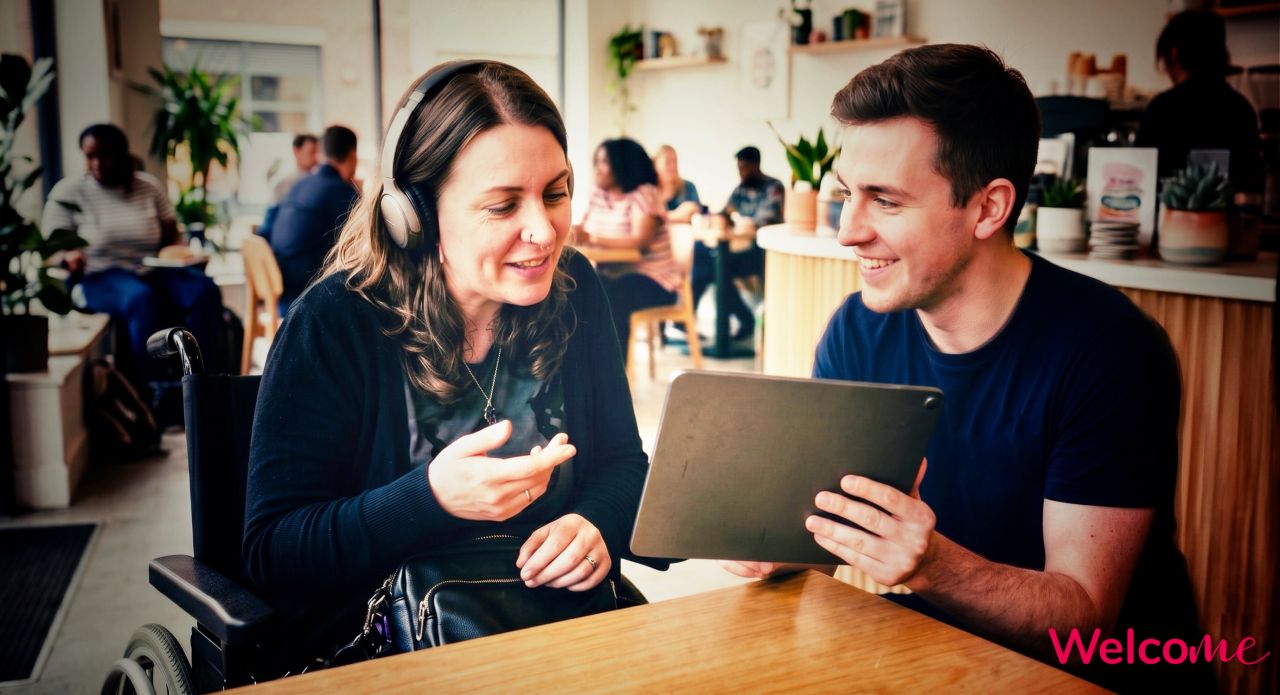
The WelcoMe platform prepares venue staff to confidently accommodate their customers' specific accessibility and dietary requirements
"Accessible" must also mean "safe." That is why we have recently added food allergies to WelcoMe's Inclusive Customer Service platform.
My goal has always been to remove the barriers that prevent disabled people from navigating the world with dignity and ease. While many of these barriers are physical or emotional, there is a "hidden" side to accessibility that is just as vital, and far more dangerous if ignored: food allergies.
The Hidden Overlap
Statistics show a staggering correlation: children and adults with neurodevelopmental disabilities (such as Autism and ADHD) are significantly more likely to live with severe food allergies compared to the general population. And this is just the tip of the iceberg.
"Interaction Fatigue" and the Cost of Silence
For many people, "Interaction Fatigue" is a very real daily challenge. When you have already spent your energy explaining your physical, sensory, or communication needs to a staff member, the prospect of adding "one more request" about an allergy can feel like an exhausting burden.
In one highly publicised case, sesame seeds in a baguette caused a fatal reaction, ultimately sparking "Natasha's Law". This tragic story is a stark reminder that what we don't see and don't say can be fatal.
Research from the US Food Allergy Research & Education (FARE) registry found that when allergic reactions occurred in restaurants, staff had only been informed of the allergy about half the time. A separate study found that even when customers did alert restaurant staff, reactions still occurred in a significant proportion of cases.
The reasons people stay quiet are familiar: not wanting to be a nuisance, feeling rushed, or assuming the menu provided enough information. These are the exact same barriers that WelcoMe was built to address in every other area of accessibility.
The WelcoMe Solution: Prepared, Not Just Aware
With WelcoMe in place, staff are reminded to have a deeper conversation with you when you arrive. This means they aren’t just "aware"; they are prepared and ready to discuss your specific requirements.
Accessibility isn’t just about getting through the front door; it’s about being safe once you’re inside. Whether it’s a life-threatening nut allergy, a severe dairy intolerance, or purely a preference, your 'WelcoMe Key' encourages conversations, helping every venue you visit to welcome the whole you.
About the Author: Gavin Neate

Gavin Neate, founder of WelcoMe and a passionate advocate for inclusive customer service
WelcoMe is a platform dedicated to empowering disabled people and customer service teams by reducing anxiety and increasing confidence in face-to-face interactions. To learn more about how their inclusive customer service tools help bridge the gap between accessibility and safety, visit key.wel-co.me or reach out to the team at hello@wel-co.me.
You can also follow his latest insights and updates on Medium at https://medium.com/@gavinaneate.
Read more from Gavin Neate on PhysioPod® Guest Blogs
