
A Fresh Vision for Lymphoedema Awareness by Gaynor Leech, Expert Patient Advocate and Founder of LWO Community
As we step into March, LWO Community is proud to stand alongside PhysioPod® UK in marking World Lymphoedema Day on March 6th and, for the first time, embracing the full month as Lymphoedema Awareness Month, running from 1st to 31st March 2026. This extended celebration gives us space not only to raise visibility but also to show the lived experiences, resilience, and voices within our community. With that spirit in mind, it is the perfect moment to return to the basics and take a fresh, human look at one of the most important questions we’re asked: What is Lymphoedema?
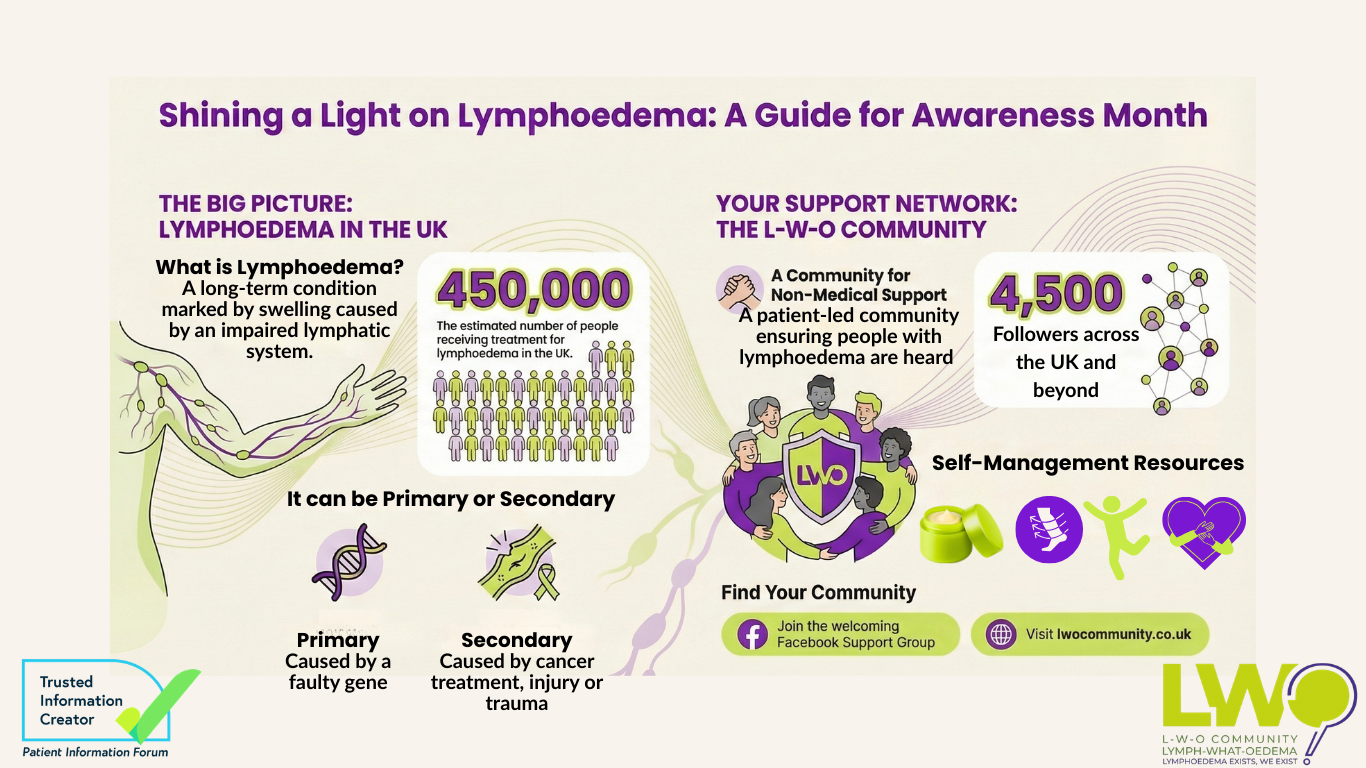
Understanding Lymphoedema: A Guide to Awareness, Early Signs, and Empowered Self-Care
Lymphoedema is far more than swelling. It is a chronic, often misunderstood condition that affects hundreds of thousands of people in the UK and millions worldwide. Yet many still struggle for years before receiving a diagnosis, and even more are left without the information they need to manage their condition confidently. At its heart, lymphoedema is a condition that asks for awareness, compassion, and practical support, both from healthcare professionals and from those living with it.
This article brings together key insights from the LWO Community’s educational resources, offering a clear, accessible overview of what lymphoedema is, how it develops, and what people can do to protect their lymphatic health.
What Is Lymphoedema?
Lymphoedema is a long-term condition caused by a failure or disruption in the lymphatic system, leading to a buildup of protein-rich fluid in the tissues. While many assume it affects only the arms or legs, lymphoedema can also occur in the breast, head, neck, or genital area.
The lymphatic system plays a vital role in immunity, fluid balance, and waste removal. When its pathways are damaged, underdeveloped, or overwhelmed, fluid cannot drain effectively, resulting in swelling, discomfort, and increased vulnerability to infection.
There are two main types of lymphoedema:
Primary Lymphoedema
Caused by a developmental issue in the lymphatic system. Vessels may be too small or too few, or lymph nodes may not form correctly. Symptoms can appear at birth, during puberty, or in early adulthood. It is not caused by anything the person has done.
Secondary Lymphoedema
Much more common, this form develops when the lymphatic system is damaged by factors such as cancer treatment, surgery, radiotherapy, trauma, infection, venous disease, obesity, or long-term immobility.
Spotting the Early Signs
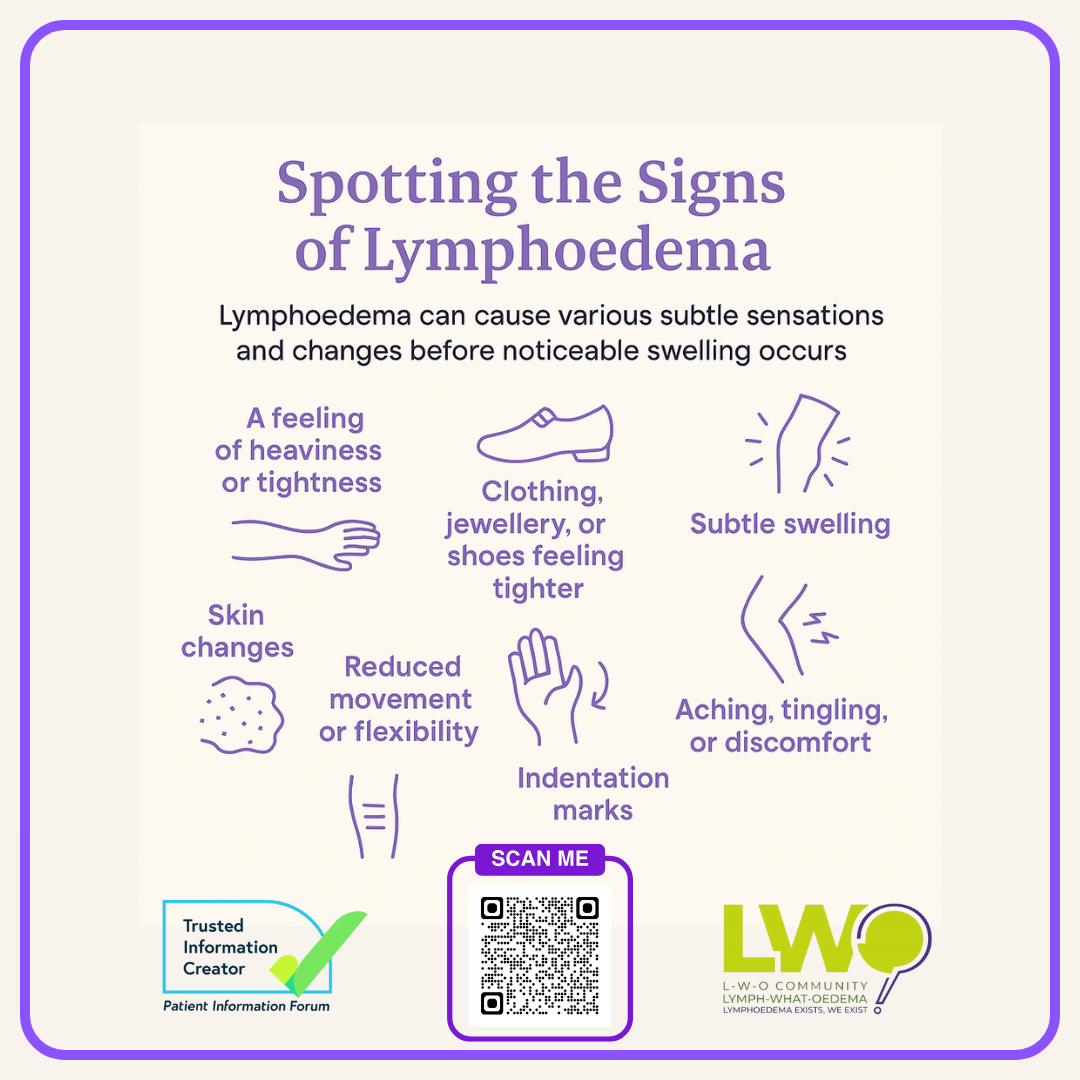
Lymphoedema often begins quietly. Many people describe a subtle sense that something “just feels different” long before visible swelling appears. Early signs include:
- Heaviness or tightness in a limb or affected area
- Clothing or jewellery feeling unexpectedly tight
- Puffiness or firmness in the skin
- Reduced flexibility in joints
- Aching, tingling, or unexplained discomfort
- Indentations from socks or sleeves that linger
These signs do not confirm lymphoedema, but they should never be ignored, especially after cancer treatment or injury. Early recognition leads to earlier support, which can make a meaningful difference.
Chronic Oedema and Its Impact
Chronic oedema refers to swelling that lasts more than three months. It may coexist with lymphoedema or be complicated by conditions such as heart failure, immobility, or venous disease. Regardless of the cause, chronic oedema affects both physical and emotional well-being and should always be taken seriously.
Cellulitis: A Serious Risk
For people living with lymphoedema, cellulitis is a medical emergency. Because the lymphatic system is compromised, even small breaks in the skin can allow bacteria to enter. Symptoms include redness, heat, pain, sudden swelling, and flu-like feelings. Immediate medical attention is essential.
Preventing cellulitis involves:
- Daily moisturising
- Protecting the skin from cuts and bites
- Treating fungal infections promptly
- Wearing well-fitting footwear
- Using gloves for household or gardening tasks
- Managing swelling with compression and movement
Small habits truly make a big difference.
Why Diuretics Don’t Help
Diuretics remove water, not the protein-rich lymphatic fluid that causes lymphoedema. They may offer temporary relief but can worsen dehydration and fatigue. They are not part of standard lymphoedema care unless prescribed for another medical condition such as heart or kidney disease.
Evidence-Based Management
Effective lymphoedema management focuses on supporting lymph flow and protecting the skin. Key approaches include:
Manual Lymphatic Drainage (MLD)
A specialised therapy performed by trained professionals who understand lymphatic anatomy. It uses gentle, rhythmic movements to stimulate lymph flow.
Self/Simple Lymphatic Drainage (SLD)
A daily self-care technique taught by a qualified practitioner. It takes around 20 minutes and helps maintain lymphatic movement at home.
Compression Garments
Professionally fitted hosiery helps prevent fluid buildup and supports drainage. Correct fit is essential.
Compression Pumps and Deep Oscillation
These technologies can help soften tissues and support lymph movement when used under professional guidance.
Myth-Busting: Clearing Up Common Misunderstandings
Misinformation can delay diagnosis and undermine confidence. Some of the most common myths include:
- “Lymphoedema is rare.” In reality, it is widely underdiagnosed.
- There are more people living with lymphedema in the UK than there are living with multiple sclerosis or Parkinson’s.
- “Only cancer patients get it.” Many other factors can cause lymphatic damage.
- “Exercise makes it worse.” Movement is one of the best tools for managing symptoms.
- “Compression cuts off circulation.” Properly fitted garments support healthy flow.
- “You caused your lymphoedema.” It is never the patient’s fault.
Clear, compassionate myth-busting empowers people to make informed choices and advocate for themselves.
Living Well With Lymphoedema
There is no cure yet, but there are effective ways to manage lymphoedema and live a full, active life. The foundations of good lymphatic health include:
- Skincare
- Compression
- Movement
- Healthy eating
- Hydration
- Self-care routines that feel sustainable
Above all, lymphoedema should never define a person. With the right knowledge and support, individuals can regain confidence, reduce symptoms, and protect their long-term well-being.
Lymphoedema is a complex condition, but understanding it shouldn’t feel overwhelming. At its heart, it’s about people, real lives, real challenges, and real strength. If this overview has sparked questions or you’d like to explore the condition in more depth, our newly refreshed “What is Lymphoedema?” webpage offers clear, accessible information to guide you further. Visit the page to learn more, feel supported, and continue building confidence in your own lymphoedema journey.
Gaynor x
