
Understanding Care Providers: Why the Type of Support Matters by Fiona Stevenson
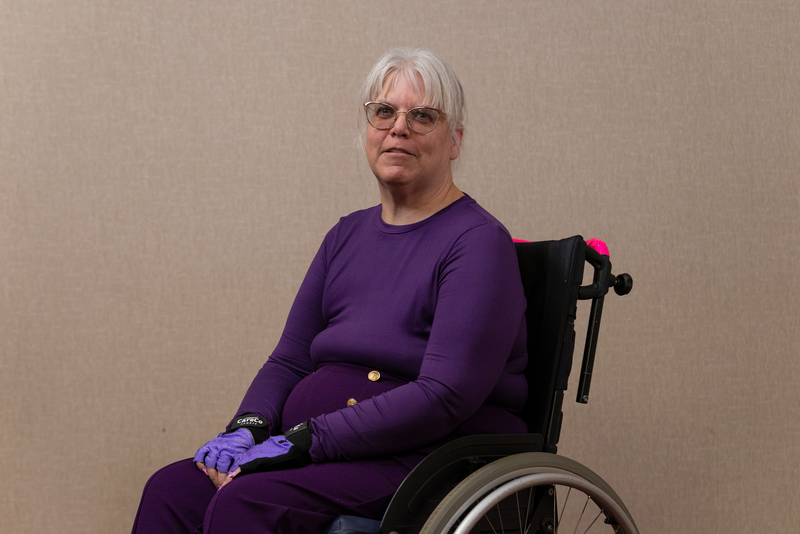
Advocate Profile: Fiona (Fee) Stevenson is an inspirational speaker, accessibility campaigner, and Macmillan reviewer since 2006. Her experiences adapting to physical limitations and advocating for accessibility give her a deep, first-hand understanding of the barriers disabled individuals face when navigating social care and NHS support networks.

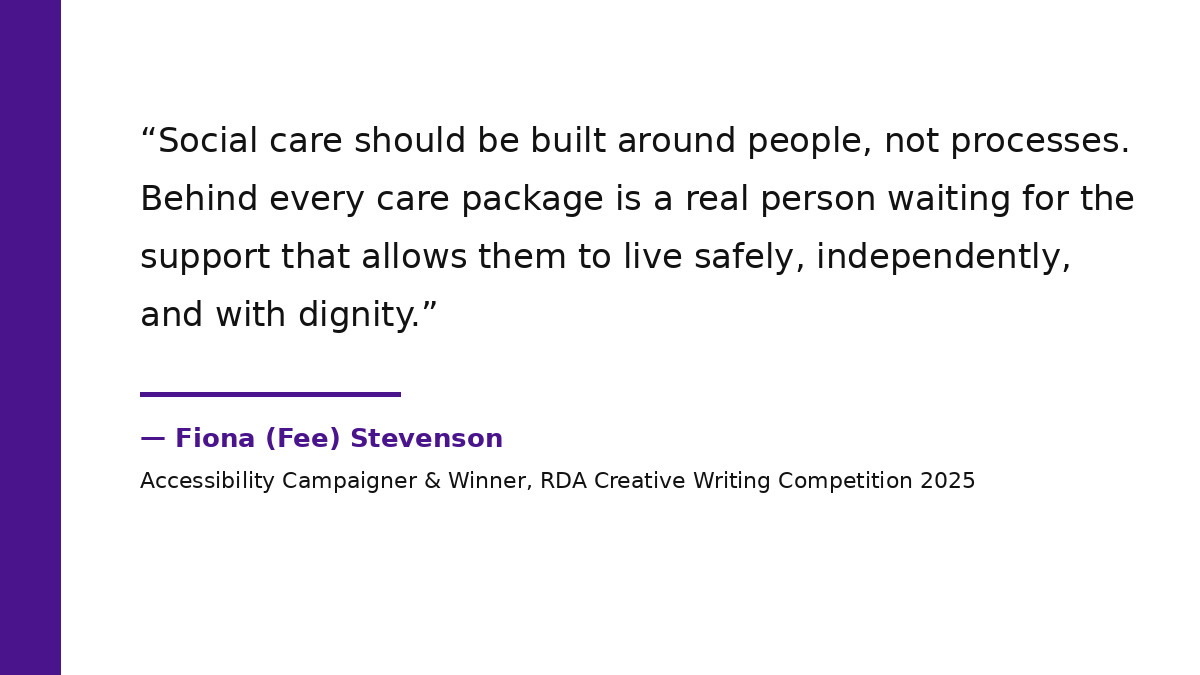
Choosing the right care provider is not simply a matter of who has immediate availability. For many disabled people and those living with long-term conditions, the type of provider chosen determines whether they receive essential personal care on time or face exhausting, unnecessary delays while different organisations decide who is legally permitted to provide that support.
To help patients, families, and commissioners navigate this complex landscape, it is vital to understand the fundamental differences between the three main types of care and support providers.
Executive Provider Capability Matrix
This table outlines what each care provider type can legally and practically deliver under current social care frameworks:
| Provider Type | Regulated Personal Care? | Core Activities & Advantages | Practical Challenges & Limitations |
|---|---|---|---|
| CQC Registered Care Company | YES | • Legally permitted to perform regulated personal care (washing, dressing, toileting, applying prescribed skin creams, and fitting compression garments).• Fully inspected by the Care Quality Commission.• Clear, reviewed safeguarding policies and procedures. | • High regulatory demands and paperwork make these services more expensive.• Significant national staffing shortages.• Long waiting lists frequently develop in local areas. |
| Microprovider | NO (Unless specifically registered) | • Usually very small operations or self-employed personal assistants.• Offers highly personalised, flexible support.• Fosters strong, consistent, and familiar relationships over time. | • Strict legal limits on personal care if they lack formal CQC registration.• Can create unexpected gaps in essential healthcare support. |
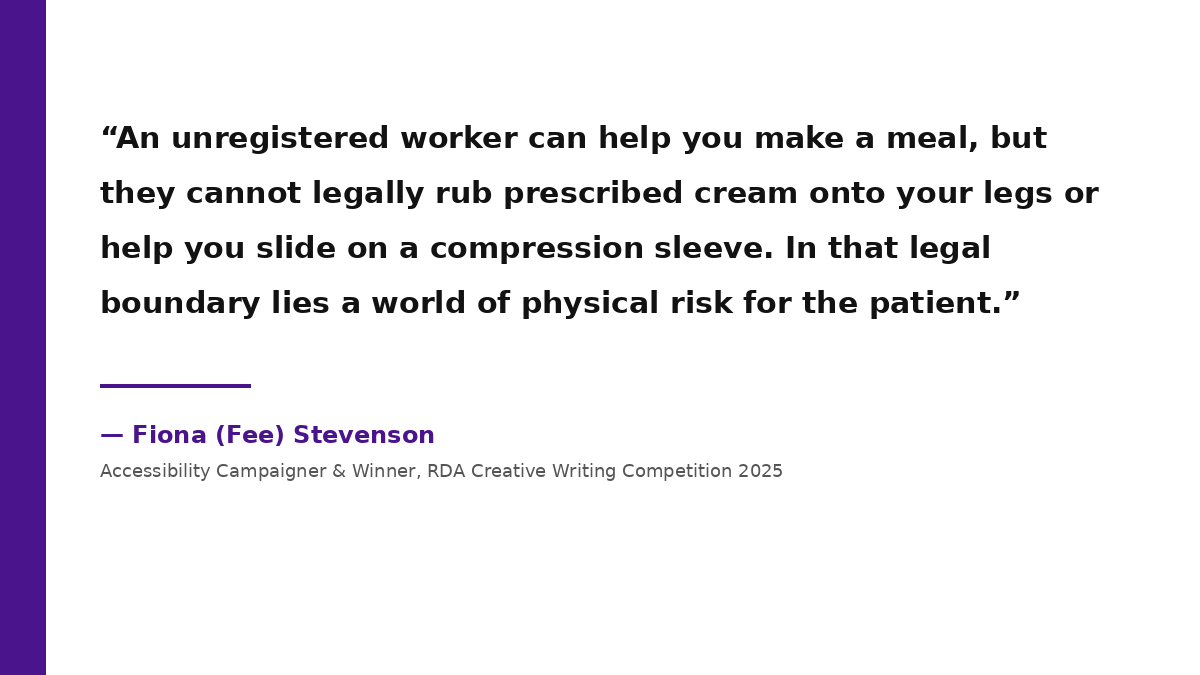
| Non-CQC Registered Support Company | NO | • Focuses on social and domestic support.• Helps with shopping, housework, meal preparation, attending appointments, and companionship.• Legally permitted to prompt medication where appropriate. | • Strictly prohibited from performing any form of regulated personal care.• Staff cannot apply prescribed medical creams or assist with compression garments. |
The Critical Reality of Daily Healthcare
For someone living with a long-term condition such as lymphoedema, personal care tasks are not "optional extras" or simple domestic chores. They are critical, daily medical interventions:
- Applying prescribed creams is essential to protect fragile skin and reduce the life-threatening risk of cellulitis and other infections.
- Fitting compression garments correctly is vital to control severe swelling, maintain mobility, and protect sleep and mental wellbeing.
When a patient is supported by a non-CQC registered provider, their support staff are legally blocked from performing these duties. If a patient's physical needs suddenly increase, dangerous gaps in daily care immediately open up while alternative, registered providers are sought.
The Bureaucratic Loop: A Journey of Delays
When an individual's care needs change and they require regulated personal care, they enter a slow, multi-layered administrative process:
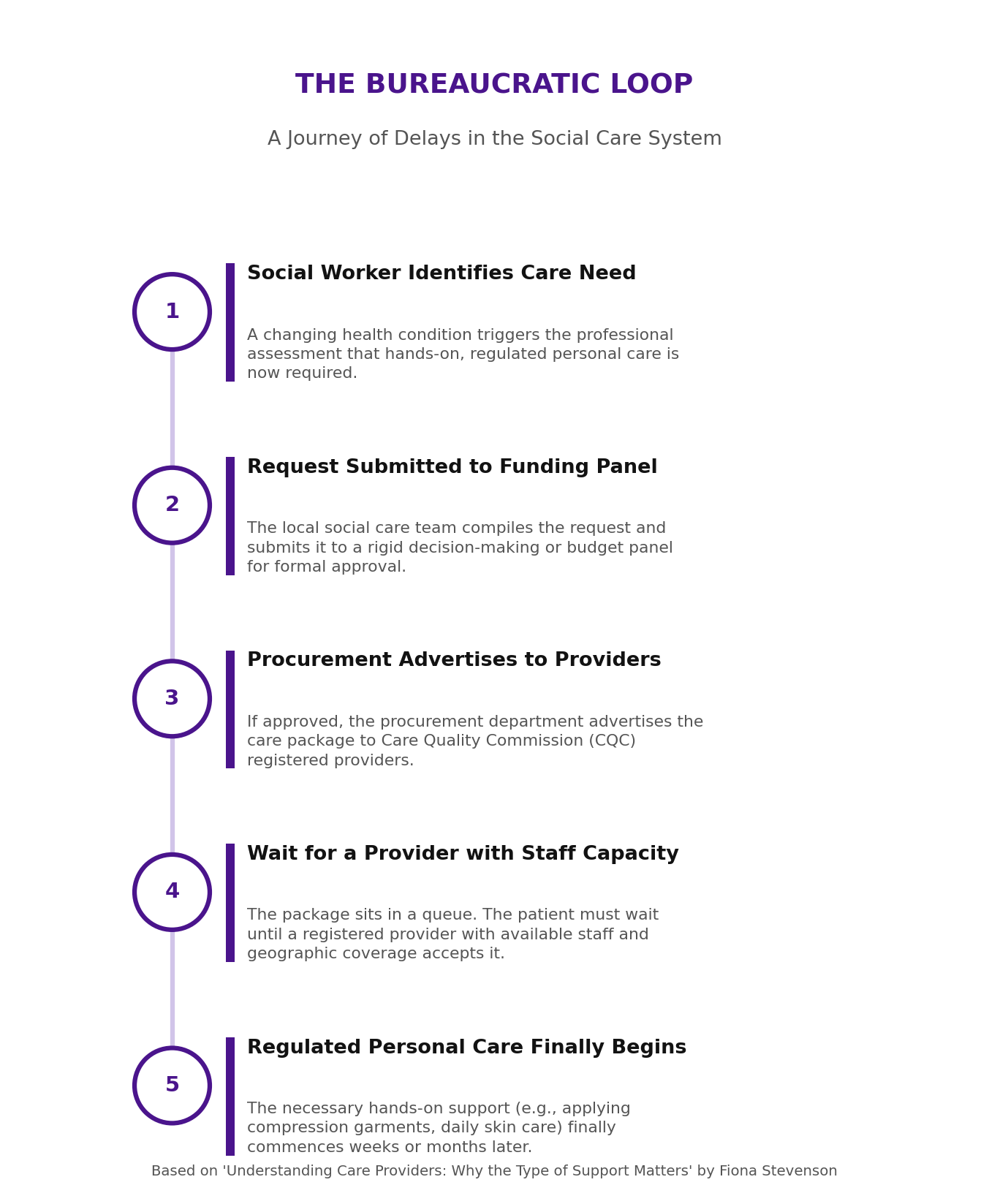
While this administrative paperwork slowly moves from meeting to meeting, the individual's physical health cannot wait. Incorrectly applied garments lead to increased swelling, missed skin care leads to painful infections, and families become completely exhausted trying to bridge the gap. This is rarely caused by a lack of compassion among staff; it is the direct result of rigid regulations and commissioning systems failing to coordinate quickly enough to match a patient's changing health.
A Call to Action: People Over Processes

We must design a social care system that adapts to the individual's needs, rather than expecting vulnerable individuals to fit neatly into administrative templates. Fiona calls on commissioners, local authorities, and policymakers to implement three urgent reforms:
- Create Rapid Pathways: Establish clear fast-track channels that allow regulated personal care to begin immediately when a patient's health status changes, bypassing panel delays.
- Cut the Paperwork Lag: Ensure that essential, hands-on health support is delivered when it is physically needed—not when the procurement paperwork finally catches up.
- Improve System Communication: Bridge the gap between NHS medical recommendations and local authority social care procurement to stop patients falling through the cracks.
Social care is about human lives, safety, and dignity. It is time the system reflected that reality.
Tags: #CareProviders #SocialCareReforms #DisabilityAdvocacy #LivedExperience #CQCRegulation #LymphoedemaCare #HealthcareAccessibility #FionaStevenson
Read more from Fiona (Fee) Stevenson
