
Is DEEP OSCILLATION® Therapy the Missing Piece in Managing Fibromyalgia Syndrome?
Discover how this clinically proven, gentle therapy provides 8cm deep relief from chronic pain.

Is DEEP OSCILLATION® the missing piece in your Fibromyalgia care? Discover how this clinically proven, gentle therapy provides deep tissue relief from chronic pain.
Contents
- Introduction: The Evolving Landscape of Fibromyalgia
- The Science of the Ache: Neuroinflammation & the Gut-Brain Axis
- The 2026 Treatment Shift: Sleep, TENS, and Rethinking Old Habits
- DEEP OSCILLATION®: How the Therapy Works
- The Clinical Evidence: What the Studies Say
- Conclusion: Empowering Your Wellness Journey
- Glossary of Terms
- References
- Appendices
1. Introduction: The Evolving Landscape of Fibromyalgia
Living with Fibromyalgia Syndrome (FMS) often means navigating a complex, daily web of chronic body pain, severe fatigue, sleep disturbances, and the cognitive hurdles known as 'fibro fog' (Dutta and Roy, 2026; Iannuccelli et al., 2025). For individuals suffering from this persistent, widespread pain, seeking relief without resorting to heavy, trial-and-error medications can be an exhausting balancing act (Dutta and Roy, 2026).
However, the medical conversation around FMS is shifting significantly. In 2025 and 2026, researchers have increasingly recognised the overlap between FMS and Long COVID, validating that both conditions feature extreme fatigue, central sensitisation, and widespread pain (Mariette, 2024; Clauw and Calabrese, 2024; Shir et al., 2025). With this growing understanding, healthcare providers are moving away from broad, non-specific painkillers.
In the UK, the NHS now recommends a multimodal approach built on three main pillars: prescribed exercise; talking therapies such as Cognitive Behavioural Therapy (CBT); and targeted medications. Specifically, the NHS utilises certain antidepressants (such as low-dose amitriptyline or duloxetine) not necessarily to treat depression, but to actively improve nonrestorative sleep, relieve pain, and boost emotional health.
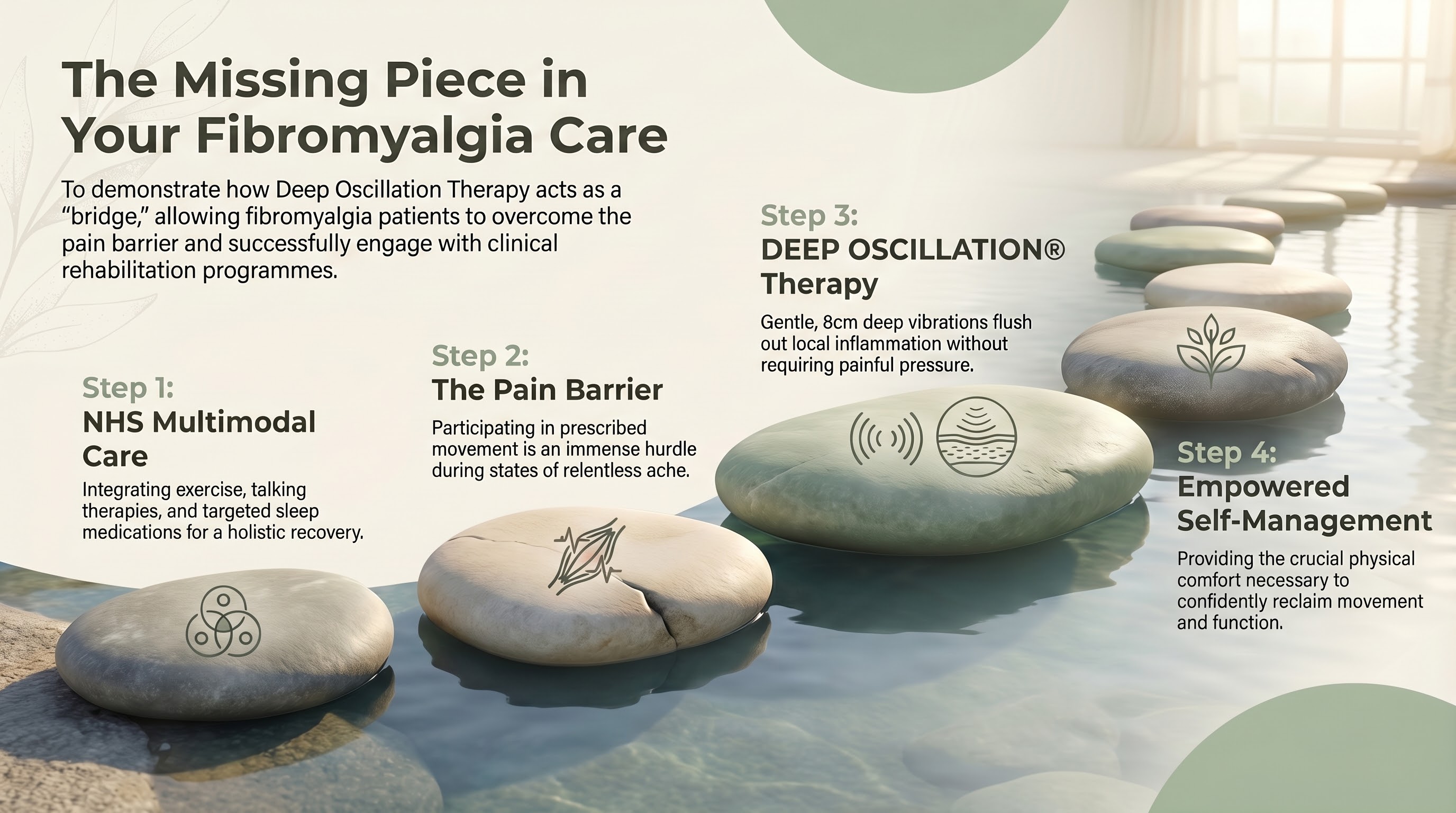
Fitting perfectly into this modern, integrative care plan is DEEP OSCILLATION® Therapy (DOT). While targeted medications help patients sleep and talking therapies provide mental resilience, patients in severe pain often find it impossible to participate in the exercise programmes the NHS recommends. Historical clinical research into DOT suggests it may be the missing piece of the jigsaw for both the medical community and patients at home. Long established as a highly tolerable, clinically proven physical modality, DOT safely addresses local tissue toxicity and hypertonicity, offering patients a gentle, time-tested way to interrupt the chronic pain cycle so they can confidently reclaim movement (Kraft, Kanter, and Janik, 2013; Janik et al., 2010; Jahr, Schoppe, and Reisshauer, 2008).
2. The Science of the Ache: Neuroinflammation & the Gut-Brain Axis
To understand how we can better manage FMS, it helps to gently unpack what is actually happening inside the body. Fibromyalgia pain is now widely classified as nociplastic pain, meaning it arises from altered, amplified sensory processing in the central nervous system without actual tissue damage (Dutta and Roy, 2026; Kosek et al., 2016).
However, new research from 2025 and 2026 has expanded this understanding to include the "gut-brain-mitochondria" axis and systemic neuroinflammation. Recent multi-omics approaches confirm that FMS patients often exhibit altered gut microbiomes and elevated oxidative stress, which drive the cognitive fatigue and deep tissue aching mentioned earlier (Durán-González et al., 2025; Iannuccelli et al., 2025). Because this whole-body inflammation plays such a prominent role, finding gentle therapies that safely soothe the tissues and flush out these inflammatory markers is becoming increasingly vital.
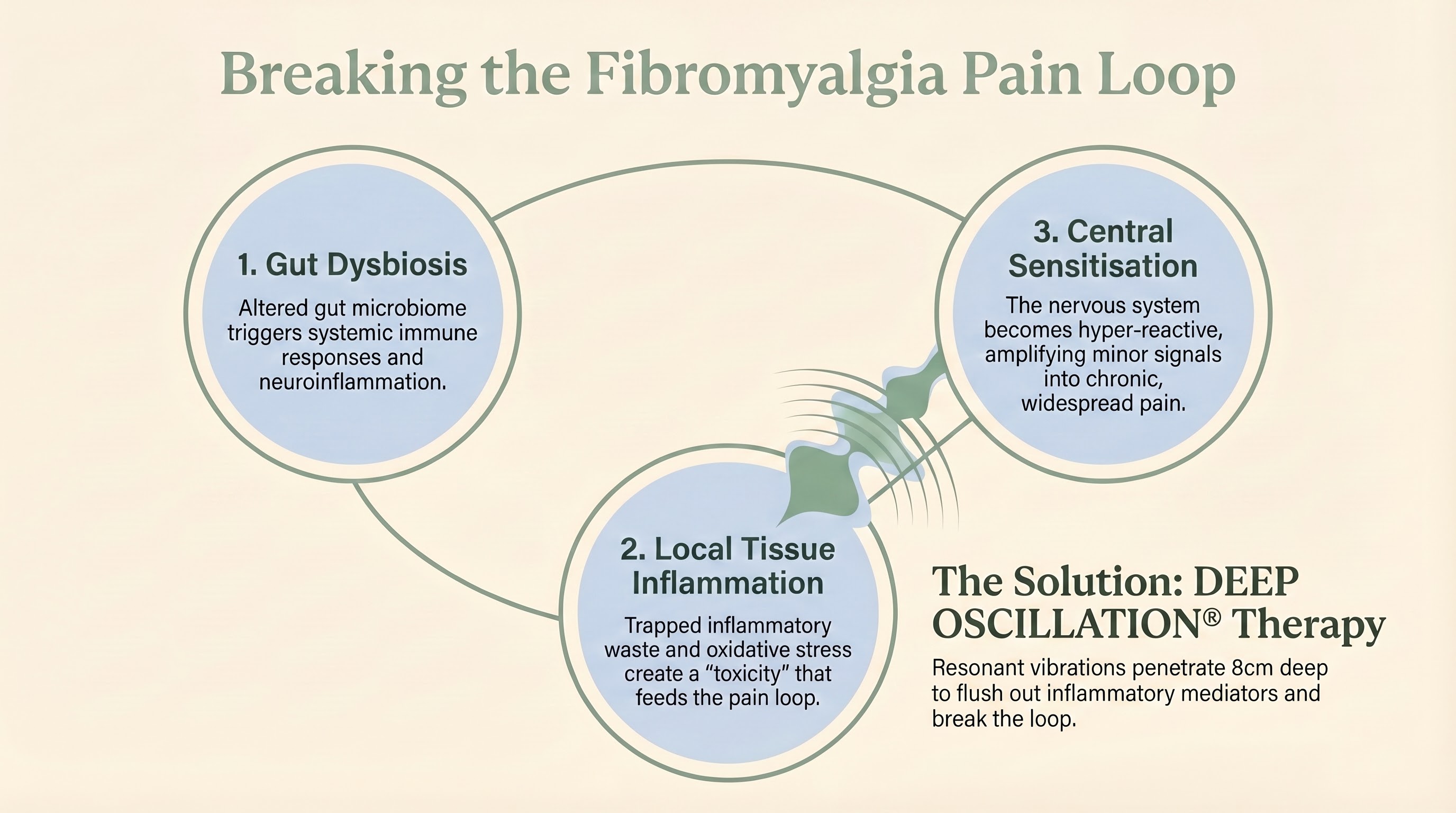
Breaking the Pain Loop: Fibromyalgia is increasingly understood as a complex condition driven by a "gut-brain-mitochondria" axis. DEEP OSCILLATION® provides the targeted microcirculation and tissue relief needed to safely interrupt this cycle.
3. The 2026 Treatment Shift: Aligning with the NHS and Rethinking Old Habits
The FMS treatment toolkit has seen dramatic updates over the last year, moving away from heavy, broad-spectrum painkillers. In the UK, the NHS and NICE guidelines now classify fibromyalgia as 'chronic primary pain' and recommend a multimodal approach built on three main pillars: prescribed exercise, talking therapies (like CBT), and targeted medicines (such as low-dose amitriptyline or duloxetine) specifically designed to improve sleep and emotional health.
This UK approach perfectly aligns with the latest global 2025 and 2026 developments:
-
The Sleep-Pain Connection: In August 2025, the US FDA approved Tonmya (sublingual cyclobenzaprine), the first new fibromyalgia drug in over 15 years (Johnson, 2025; Dutta and Roy, 2026). While this specific brand is not currently available on prescription in the UK, its approval highlights a massive global shift that validates current UK clinical guidelines: targeting nonrestorative sleep, rather than just masking pain, is a core driver in breaking the daily pain cycle.
-
The Decline of LDN: Low-Dose Naltrexone (LDN) has been a popular off-label treatment, but a major 2026 re-analysis concluded that there is no evidence of a significant effect from 3 or 12 weeks of LDN treatment on average pain intensity, proving it to be less efficacious than previously reported (Due Bruun et al., 2026; Johnson, 2025). This study reinforces the need to move away from unproven pharmacological interventions.
- Validation of Physical Modalities: While the NHS heavily recommends exercise, moving a body that is in constant pain is an immense hurdle. However, electrical physical modalities (such as TENS) have recently received landmark clinical validation for safely reducing movement-evoked pain and helping patients overcome this barrier (Sluka et al., 2026).
This 2026 data proves that non-invasive, electrical physical modalities are gaining immense mainstream validation. While targeted medications (like amitriptyline) help patients sleep and address central processing, physical therapies provide the crucial, localised tissue relief needed for patients to actually participate in the movements and exercises the NHS recommends (NHS 2022).
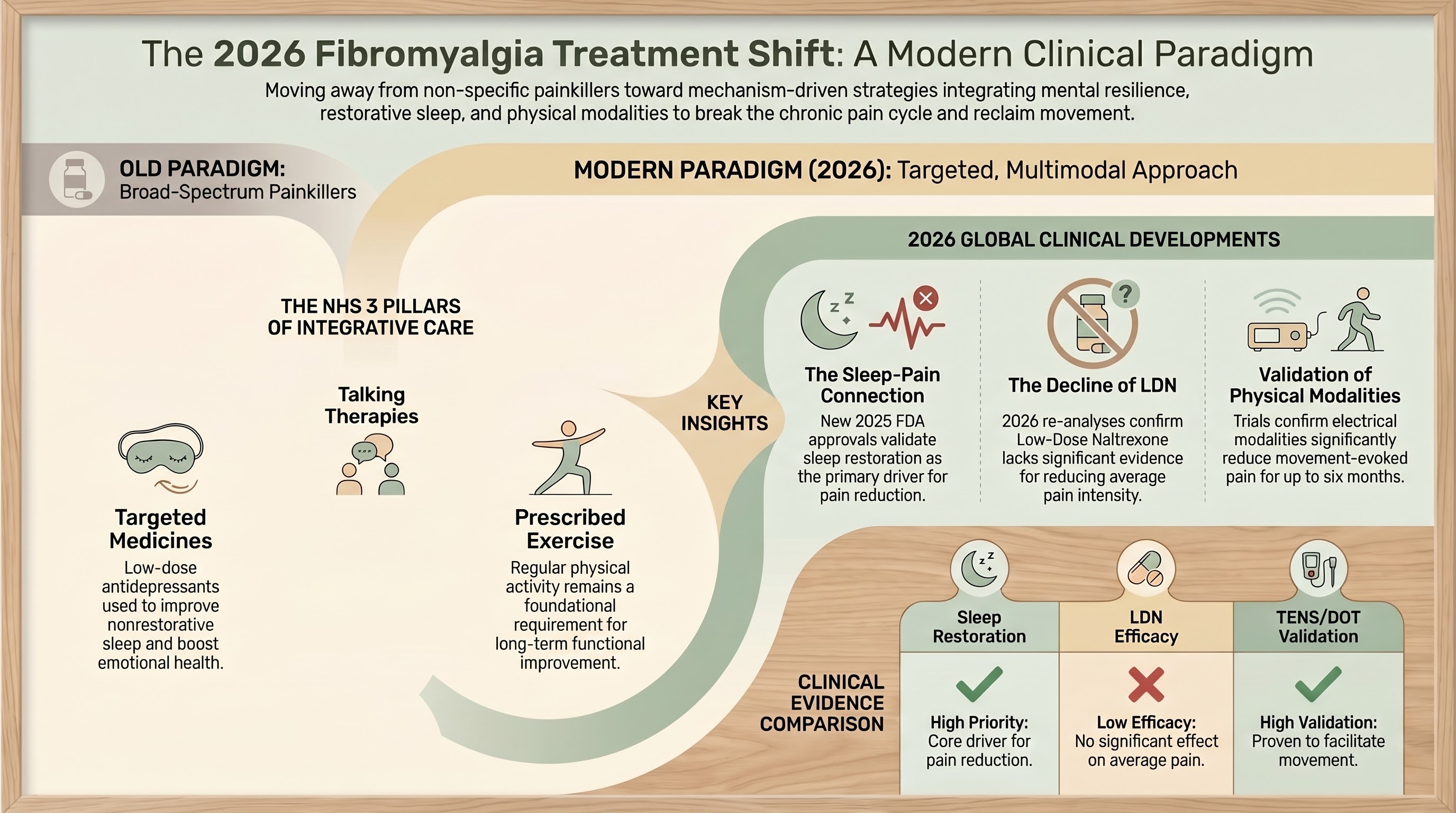
The 2026 Paradigm Shift: Moving beyond trial-and-error with targeted, mechanism-driven physical therapies like TENS/DEEP OSCILLATION® to break the central pain loop.
4. Validating TENS and the Deep Tissue Difference of DEEP OSCILLATION®
- 8cm Deep Permeation: The gentle vibrations safely penetrate up to 8 cm deep, reaching through the skin, connective tissue, subcutaneous fat, and muscle layers, directly into the blood and lymph vessels (Oestervemb et al., 2025).
- Flushing Out Tissue Toxicity: This deep penetration physically mobilises the tissues and improves local microcirculation. The "pumping" action promotes the lymphatic drainage of trapped interstitial fluid, oxidative waste, and the inflammatory mediators that cause deep tissue aching (Jahr, Schoppe, and Reisshauer, 2008; Durán-González et al., 2025).
- Relieving Muscle Spasticity & Ischaemia: In FMS, spontaneous muscle spasms compress local blood vessels, creating an "ischaemic" (restricted blood flow) environment that continuously activates pain receptors. By utilising an intermittent electrostatic field, DOT produces a mechanically dissolving effect that physically breaks up these adhesions and relieves vessel compression without relying on painful external pressure (Jahr, Schoppe, and Reisshauer, 2008; Kraft, Kanter, and Janik, 2013).
- Silencing the Loop: Because DOT effectively soothes this localised tissue toxicity and eases muscle hypertonicity, it stops the continuous stream of peripheral pain signals from ever starting (Kraft, Kanter, and Janik, 2013). By removing this inflammatory "fuel," the therapy safely breaks the central pain loop without triggering further central sensitisation (Kosek et al., 2016).
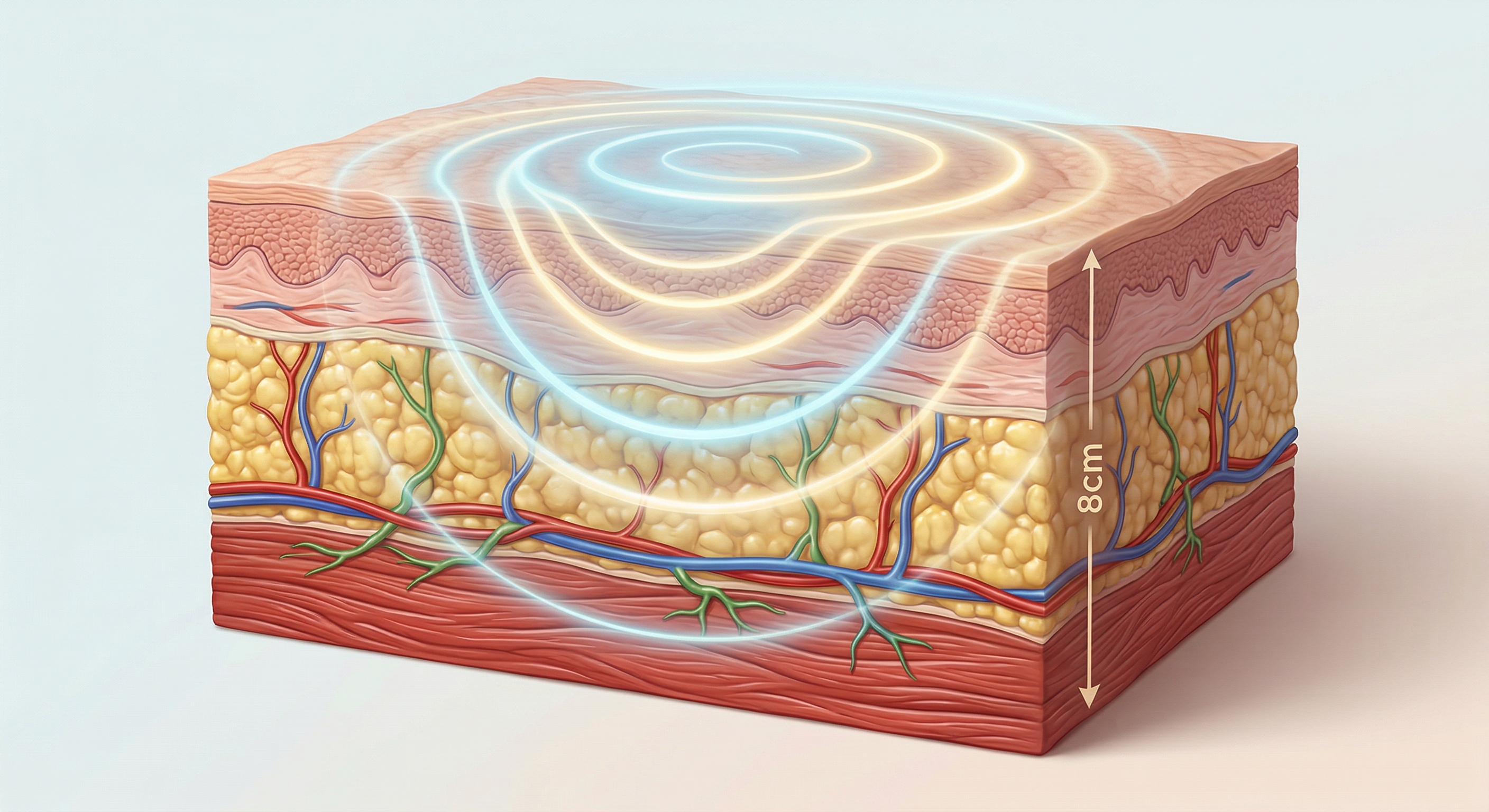
8cm Deep Tissue Penetration: Unlike traditional massage, DEEP OSCILLATION® creates a gentle, resonant vibration that safely penetrates up to 8cm through all tissue layers—including connective tissue and muscle—without requiring painful physical pressure.
5. The Clinical Evidence: What the Studies Say
Clinical trials have robustly demonstrated that DEEP OSCILLATION® is a safe, highly tolerable, and effective treatment for the symptomatic management of FMS.
In a prospective observational study, 70 patients with primary FMS received deep oscillation massage twice weekly for 5 weeks (Kraft, Kanter, and Janik, 2013). The results were highly significant:
- Symptom Severity: Measured by the Fibromyalgia Impact Questionnaire (FIQ), symptom severity was significantly reduced immediately post-treatment, with an 18.8% reduction sustained at a two-month follow-up (Kraft, Kanter, and Janik, 2013).
- Pain Levels: Assessed via a Visual Analogue Scale (VAS), patients experienced a 28.2% reduction in pain after the therapy sessions, which remained at an 18.8% reduction two months later (Kraft, Kanter, and Janik, 2013).
- Quality of Life: Measured by the SF-36 questionnaire, patients showed significant improvements in their physical functioning, vitality, and mental health (Kraft, Kanter, and Janik, 2013).
These findings build upon previous protocols demonstrating that a series of DEEP OSCILLATION® massage treatments produces a long-lasting reduction in FMS symptoms and pain (Janik et al., 2010). The therapy was extremely well tolerated, with 41.4% of patients reporting no adverse events, while the remaining patients reported only mild, short-lived issues (mostly a temporary worsening of preexisting symptoms) (Kraft, Kanter, & Janik, 2013).
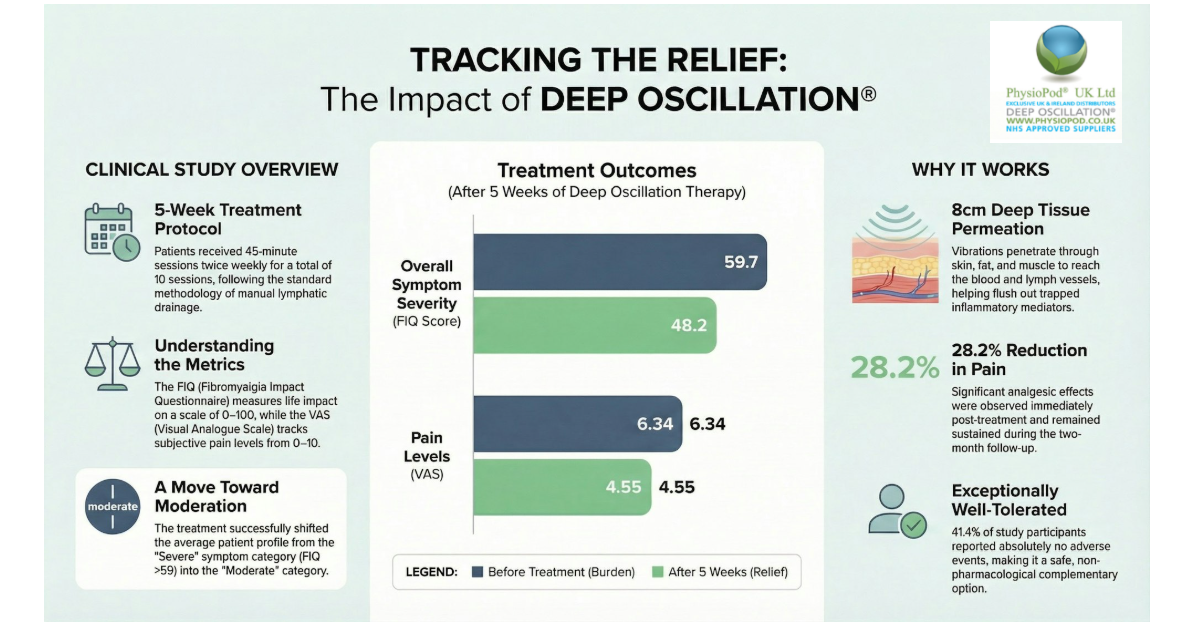
Tracking the Relief: Clinical trials confirm that a 5-week DEEP OSCILLATION® protocol achieves a significant 28.2% reduction in pain. Most importantly, it is exceptionally well tolerated, with 41.4% of patients reporting no adverse events.
6. Conclusion: Bridging the Gap and Empowering Your Wellness Journey
For individuals living with fibromyalgia syndrome, securing a treatment plan that offers sustained relief without the heavy burden of medication side effects is paramount. As clinical guidelines for 2025 and 2026 definitively shift away from broad-spectrum painkillers toward targeted sleep medications and validated physical modalities, patients finally have access to care that addresses the root mechanisms of their pain (Dutta and Roy, 2026).
However, a significant gap remains in standard care: while the NHS encourages gentle movement to manage FMS, actually engaging in that exercise feels like an immense hurdle when your body is locked in relentless ache. This scenario is exactly where DEEP OSCILLATION® serves as the missing piece of the puzzle.
Current clinical evidence confirms that the gentle, 8cm deep, tissue-relaxing vibrations of DOT provide a highly tolerable, long-lasting method for flushing out local inflammation, easing muscle hypertonicity, and significantly improving overall quality of life (Janik et al., 2010; Kraft, Kanter, and Janik, 2013). It does not rely on painful physical pressure; it safely breaks the pain loop without triggering further central sensitisation.
Most importantly, the availability of the DEEP OSCILLATION® Personal unit allows patients to proactively self-manage their condition in the comfort of their own home. Whether used alongside NHS talking therapies, targeted sleep medications, or simply as a standalone daily comfort, DEEP OSCILLATION® offers a clinically proven, time-tested path to relief. It provides the crucial physical comfort necessary to help you confidently reclaim movement, break the pain cycle, and restore your quality of life.
7. Glossary of Terms
- Central Sensitisation / Nociplastic Pain: A condition where the central nervous system becomes highly reactive, amplifying sensory inputs so that minimal stimuli produce a chronic, heightened state of pain.
- DEEP OSCILLATION® Therapy (DOT): A therapeutic modality that uses low-intensity, low-frequency intermittent electrostatic fields to generate deep, biologically effective resonant vibrations within body tissues up to 8cm deep.
- Fibromyalgia Syndrome (FMS): A chronic musculoskeletal condition characterised by widespread body pain, severe fatigue, sleep disturbances, and cognitive issues.
- Gut-Brain-Mitochondria Axis: The complex communication network between the digestive system, cellular energy producers (mitochondria), and the brain, which is increasingly linked to systemic inflammation and FMS symptoms.
- Hypertonicity / Muscle Spasticity: A state of continuous, excessive muscle tension or spasms that contributes to the relentless ache and stiffness experienced in fibromyalgia.
- Inflammatory Mediators: Chemical messengers trapped in the tissues that promote local inflammation, swelling, and deep tissue aching.
- Ischaemia: Restricted blood flow to the local tissues. In FMS, spontaneous muscle spasms compress blood vessels, creating an ischaemic environment that continuously triggers pain receptors.
- Oxidative Stress / Tissue Toxicity: A buildup of harmful metabolic waste products in the body's tissues that drives neuroinflammation and contributes to symptoms like "fibro fog".
- Targeted Sleep Medications (e.g., low-dose amitriptyline): Medications used in the management of FMS not necessarily to treat depression, but to specifically target nonrestorative sleep and break the cycle of fatigue and amplified pain.
- TENS (Transcutaneous Electrical Nerve Stimulation): A therapy that uses a small device to send mild electrical pulses through the skin to block or reduce pain signals.
8. References
Clauw, D.J. and Calabrese, L. (2024). 'Rheumatology and Long COVID: lessons from the study of fibromyalgia', Annals of the Rheumatic Diseases, 83(2), pp. 136-138. Available at: https://doi.org/10.1136/ard-2023-224250
Due Bruun, K., et al. (2026). 'Low-dose naltrexone for fibromyalgia: a re-analysis suggests lower efficacy than previously reported', The Korean Journal of Pain, 39(1), pp. 140-143. Available at: https://doi.org/10.3344/kjp.25275
Durán-González, E., et al. (2025). 'Fibromyalgia diagnosis from a multi-omics approach: a gut feeling', Frontiers in Microbiology, 16:1641185. Available at: https://doi.org/10.3389/fmicb.2025.1641185
Dutta, D. and Roy, C. (2026). 'Fibromyalgia: A Comprehensive Update for 2026 - Current Perspectives on Pathophysiology, Diagnosis, and Management', Asian Pain Academy.
Iannuccelli, C., et al. (2025). 'Fibromyalgia: one year in review 2025', Clinical and Experimental Rheumatology, 43, pp. 957-969. https://pubmed.ncbi.nlm.nih.gov/40470564/
Jahr, S., Schoppe, B. and Reisshauer, A. (2008). 'Effect of treatment with low-intensity and extremely low-frequency electrostatic fields (deep oscillation) on breast tissue and pain in patients with secondary breast lymphoedema', Journal of Rehabilitation Medicine, 40(8), pp. 645–650. https://pubmed.ncbi.nlm.nih.gov/19020698/
Janik, H., et al. (2010). 'Treatment of patients with Fibromyalgia (FMS) with vibration massage by DEEP OSCILLATION®', European Journal of Physical and Rehabilitation Medicine, 46(Suppl. 1), p. 42. Available at: https://www.physiopod.co.uk/fibromyalgia.shtml
Johnson, V. (2025). 'FDA Approves TNX-102 SL, First New Fibromyalgia Therapy in 15 Years', HCPLive. Available at: https://www.hcplive.com/view/fda-approves-tnx-102-sl-first-new-fibromyalgia-therapy-in-15-years
Kosek, E., et al. (2016). 'Do we need a third mechanistic descriptor for chronic pain states?', Pain, 157(7), pp. 1382–1386. https://pubmed.ncbi.nlm.nih.gov/26835783/
Kraft, K., Kanter, S. and Janik, H. (2013). 'Safety and Effectiveness of Vibration Massage by Deep Oscillations: A Prospective Observational Study', Evidence-Based Complementary and Alternative Medicine, 2013, p. 679248. Available at: https://pmc.ncbi.nlm.nih.gov/articles/PMC3814103/
Mariette, X. (2024). 'Long COVID: a new word for naming fibromyalgia?', Annals of the Rheumatic Diseases, 83(1), pp. 12-14. https://pubmed.ncbi.nlm.nih.gov/37923365/
Oestervemb, K., et al. (2025). 'Deep Oscillation Therapy Enhances Early Rehabilitation After ACL Reconstruction: A Randomized Controlled Trial', Journal of Rehabilitation Medicine, 57. https://pubmed.ncbi.nlm.nih.gov/41058126/
Sluka, K., Dailey, D., et al. (2026). 'Transcutaneous Electrical Nerve Stimulation and Pain With Movement in People With Fibromyalgia', JAMA Network Open. University of Iowa Health Care. Available at: https://doi.org/10.1001/jamanetworkopen.2026.2450
NHS (2022). 'Treatment - Fibromyalgia', NHS.uk. Available at: https://www.nhs.uk/conditions/fibromyalgia/treatment/ (Accessed: [10.04.2026]).
9. Appendices
Appendix A: How This Article Was Written (AI Disclosure)
The original concept and central premise of this review are the intellectual property of the author, M. Fickling. This review was drafted and structured with the assistance of an artificial intelligence language model to help synthesise scientific literature, recent 2026 clinical guidelines, and new pharmacological data.
Appendix B: Usage Rights & Suggested Citation
Sharing this article is highly encouraged! This review is free to use, distribute, and reproduce for educational and clinical purposes, provided that the original author, M. Fickling, is explicitly credited for the work.
How to Cite this Article: Fickling, M. (2026). Is DEEP OSCILLATION® Therapy the Missing Piece in Managing Fibromyalgia Syndrome? PhysioPod® UK Limited.
TAG WORDS: Fibromyalgia, Chronic Pain, Deep Oscillation Therapy, Tonmya, Nociplastic Pain, Long COVID, Wellness, Holistic Health, Neuroinflammation.
